Skip to content

About Us

Who We Are

About BKL

Proudly Vancouver-based and employee-owned since 1966, we bring 60 years of experience to the world of acoustics. Over the years, we’ve solved all kinds of acoustical challenges—from complex infrastructure projects to cutting-edge healthcare facilities—providing the same effective acoustics, noise and vibration solutions to every project and the people behind it.

Global Expertise, Local Knowledge

Together, We’ve Accumulated Over 250 Years Of Acoustical Experience

How We Work

Why Clients Choose BKL

Recognized by ACEC-BC and The Architect’s Newspaper, we’ve completed more than 10,000 projects for over 4,500 clients across Western Canada. Whatever the scope, we bring practical thinking and dependable results.

We explain acoustical risks and options in plain terms, so you and your stakeholders can weigh trade-offs and make confident decisions.

No two projects are alike. We tailor our advice to your goals and requirements, and respond when questions arise throughout the project.

We work as part of your project team, helping you manage risk, meet requirements, and deliver projects that perform as intended.

BKL's History

Over the past 50+ years, BKL has solved a lot of acoustical problems-from noisy pizza ovens to cutting-edge healthcare facilities. Have a look at our company timeline and discover the people, projects and resources that have made BKL the leading acoustical consultancy in Western Canada.

1965

While working for a telecommunications consulting firm, Ken Barron investigates noise complaints about the gas-fired ovens at Dino’s Pizza on Broadway in Vancouver. Drawing on the work of acoustician Leo Beranek, he designs a 10 foot by 4 foot cylindrical muffler that helps quiet the ovens and settle neighbours’ complaints.

1966

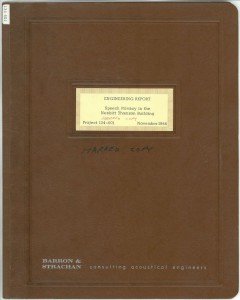
Barron and Strachan report 240x300

Barron Strachan is founded: the first acoustical engineering consultancy in Western Canada. Ken Barron and Bob Strachan set up their first workspace in a spare room at their accountant’s office. In 1967 the firm moves to Heather Street, where it remains until 1988.

1966

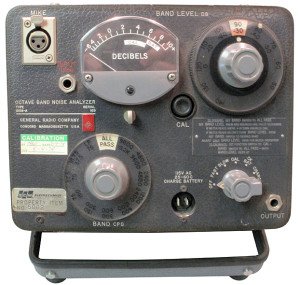
general radio octave band analyzer 300x285

Community noise analyzers are created by placing a sound meter in a metal box and strapping it to a telephone pole (so the kids couldn’t reach it). These early noise monitors are connected to a standard tape recorder and controlled with a timer developed in-house, sampling every 30 seconds.

Hired to investigate noise complaints at the Whistler Inn, Ken Barron unfastens a bathtub overflow cover and finds a blue eye staring back from the next suite, followed by a scream. The drains are connected by straight pipe, so Barron recommends significant plumbing upgrades to reduce noise between suites.

1969

426px Qube Building Vancouver May 2012 213x300

Barron Strachan provides acoustical consulting on the award-winning Qube (then known as the Westcoast Transmission Building) in Vancouver.

1970

Vancouver Noise Survey 300x216

Barron Strachan conducts a landmark noise survey across the Greater Vancouver Regional District, led by acoustician John Price. With support from 14 municipalities, the team records sound levels at more than 10,000 points—the largest survey of its kind in North America at the time—helping inform appropriate noise bylaw limits.

1971

Barron and Strachan residential project construction cladding 201x300

Barron Strachan assesses noise and vibration impacts for a proposed 120-unit co-operative housing development on Burnaby’s Glen Robin site. Adjacent to CN Rail and Highway 1, the project becomes a landmark environmental noise assessment that helps shape how Lower Mainland municipalities approach noise in residential development.

Barron Strachan pushes acoustical measurement forward by adapting a PDP-8 computer for analysis and developing its own real-time sound measurement system. The resulting TOBADS system processes substantial acoustical data in real time, marking an early example of the firm’s innovative approach to acoustical technology.

A new acoustical consulting practice emerges from UBC, founded by professor Tom Siddon and former students Ken Harford and Doug Kennedy. As the team grows and evolves, Clair Wakefield and Dan Lyzun join the partnership, leading to successive chapters as HKW and HKL.

1973

As YVR prepares to expand its runway, HKW monitors community noise while Barron Strachan responds to noise complaints. At a nearby elementary school, Ken Barron feels the building shake with each take-off. “That school’s roof was designed to keep out rain,” he says, “not jet aircraft noise.” He recommends upgrades, including a second roof.

1975

Concorde landing Farnborough Fitzgerald

On assignment for Transport Canada, Doug Kennedy travels to Gander, Newfoundland, to assess the noise generated by Concorde SST aircraft during take-off and landing. The project reflects the firm’s growing experience tackling complex aviation noise questions and acoustical challenges beyond British Columbia.

While working on Vancouver’s Polaris Tower, Doug Whicker develops DUCTS, a pioneering software tool for predicting mechanical and system noise. Built from extensive field measurements, DUCTS improves accuracy, reduces manual calculations, and helps the team work more efficiently—another step in BKL’s long history of turning practical challenges into better tools.

In 1975, Ken Harford and Doug Kennedy launch two new ventures extending their work into hearing health and specialized acoustical instrumentation. Industrial Audiometric Services becomes the first mobile hearing testing service in BC, while Mechtronics develops advanced equipment for sound measurement and vehicle noise testing.

When Bob Strachan leaves to pursue a master’s degree, the firm enters a new chapter as Barron & Associates, with Ken Barron becoming sole principal. The transition marks a period of renewed direction and growth, while building on the firm’s established foundation in acoustical consulting.

Marcel Rivard and Gordon Hall develop the NS1, a portable speaker and pink noise generator designed to reliably measure transmission loss up to STC 60. Later refined as the NS-100, the technology becomes a licensed Tracoustics product used by Barron & Associates for decades. Plaid slacks remain optional.


1976

CAA Logo 300x164

Doug Whicker convenes the Canadian Acoustical Association’s 15th meeting in Vancouver, where the organization formally incorporates and Whicker becomes one of its eight founding directors. He goes on to convene CAA conferences again in 1983 and 1992, helping strengthen Vancouver’s place in Canada’s acoustics community.

During the Orpheum Theatre’s transformation into a symphony space, Barron & Associates develops the Sound Beam acoustic flashlight to help align reflective ceiling panels. Combining electrostatic speakers, filtered noise and an automotive headlight, the inventive tool is used for decades across theatre projects.

1978

BKL ad 1978 277x300

Barron & Associates expands into Edmonton, where Doug Whicker establishes the firm’s Prairie Division and hires Michel Morin, Cliff Faszer, and Shelley Lorimer. The office goes on to design the firm’s largest HVAC system to date for the University of Alberta’s Walter C. Mackenzie Health Sciences Centre.

HKW expands into Calgary with Doug Kennedy leading a new office, strengthening the firm’s presence across Western Canada. Around the same time, HKW partners with Les Frank to form HFP Acoustical Consultants, which later evolves into a separate independent practice.

1980

Doug Kennedy Comparison of Truck Sound Measurement Procedures 1024x453

Commissioned by Transport Canada, Doug Kennedy evaluates testing methods for heavy truck noise certification, with findings published by the Society of Automotive Engineers. He goes on to develop compliance testing programs for motorcycles, heavy trucks, and buses, supporting federal noise regulations for the next 15 years.

1981

AES summary 300x237

Barron & Associates acoustician John Walsh and UBC computer scientist Norman Dadoun develop Godot, an early software system for simulating room acoustics. Named after Waiting for Godot, the pioneering model is presented internationally and becomes a precursor to modern ray-tracing software used to predict how sound behaves within spaces.

1984

Acoustical consulting for Vancouver’s Expo Line marks the beginning of three decades of work supporting the region’s expanding rapid transit network. The firm goes on to contribute acoustical expertise to the Millennium, Canada, and Evergreen lines, helping address sound and vibration across major transportation projects.

1985

Radio Shack TRS 80 Model 100 300x212

Acoustician Claudio Bulfone develops an interface connecting a Larson Davis 700 dosimeter with a Radio Shack TRS-80 computer, allowing the team to analyze noise measurements directly in the field. The innovation brings greater efficiency and flexibility to on-site acoustical data collection and analysis.

Doug Whicker develops SOUNDMDL, a powerful tool for predicting and visualizing environmental noise propagation in three dimensions. Used for two decades, its results are repeatedly validated through field measurements and earn recognition from Canadian and provincial regulatory agencies for environmental noise assessment.

1986

ICA12 Vancouver Symposium 1986 Cover 232x300

Doug Whicker helps organize the Vancouver Symposium on Acoustics and Theatre Planning for the Performing Arts, part of the 12th International Congress on Acoustics. Convened by John Walsh, the event brings together leading theatre acousticians from around the world and highlights the expertise of Vancouver’s theatre acoustics community.

Doug Kennedy travels internationally to study shipboard noise, visiting ports and leading maritime research centres across Europe. His findings help Transport Canada develop guideline specifications for controlling noise aboard ships, extending the firm’s acoustical expertise into the marine sector.

1988

Barron Kennedy Lyzun logo

Barron & Associates and HKL merge to form Barron Kennedy Lyzun and Associates Ltd., bringing together two established Vancouver acoustical practices. The merger creates the foundation for the firm that would become BKL, combining decades of experience, technical expertise, and a shared commitment to acoustical consulting.

1991

Timms Centre 1024x683

BKL provides comprehensive acoustical design for the Timms Centre for the Arts, including its 250-seat theatre, studio theatre, rehearsal hall, and backstage workshops, addressing room acoustics, noise isolation, and HVAC noise and vibration. The project marks the beginning of a lasting specialization, with BKL going on to design acoustics for more than 25 theatres.

1993

sharpe sound studio 300x151

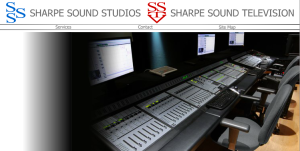
When Sharpe Sound Studios in North Vancouver adds a Foley studio, BKL is asked to achieve NC 0, below the lowest official rating of NC 10. The team develops new theoretical curves to assess the design and address noise from ventilation, plumbing, and other sources. Once complete, the studio mics can’t pick up the mechanical system.

1994

1990s BKL 1024x688

BKL invests $25,000 in a Brüel & Kjær 2143 real-time analyzer, expanding its capabilities for precise acoustical measurement. As commercial instrumentation becomes increasingly sophisticated, the investment marks a shift away from developing electronics in-house and toward adopting leading measurement technology.

Doug Whicker identifies an acoustical issue in building code requirements for shear bracing within party walls and alerts architects and building inspectors across Western Canada. Backed by acousticians at the National Research Council, his advocacy contributes to a code update, though the issue persists for years.

BKL designs the arena acoustics and mechanical noise controls for GM Place, now Rogers Arena, earning praise from critics and performers. When “The Who” performs there in 1996, singer Roger Daltrey leaves the stage with these words: “Thank you, Vancouver, for letting us play someplace where you could actually hear us!”

1995

Ekati mine 640px 300x200

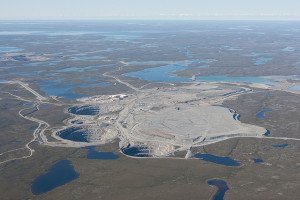
BKL conducts the environmental noise assessment for Ekati, Canada’s first diamond mine, located more than 300 kilometres northeast of Yellowknife. The firm later provides environmental assessment services for the Diavik mine, establishing a strong presence in the emerging diamond mining sector.

1996

Ken Barron retirement 1024x640

Ken Barron retires, marking the end of an era and the beginning of a new chapter. The company becomes BKL Consultants Ltd., with Mike Noble and Doug Whicker joining Doug Kennedy as principals and carrying the firm’s legacy forward.

1998

Millennium Line Brochure 300x233

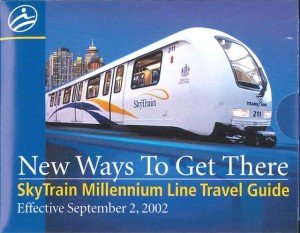
During construction of the $1.2-billion Millennium Line, BKL predicts operational noise levels and later confirms their accuracy through follow-up measurements. The team also assesses construction vibration, monitoring pile driving from a tunnel to ensure nearby buildings and infrastructure remain protected.

1999

ChristChurchCathedral Vancouver BC CA 2011 05 12

As Christ Church Cathedral undergoes a $20-million restoration, BKL provides acoustical design expertise to address traffic and mechanical noise while enhancing the sanctuary’s reverberation. Working across multiple phases over two decades, BKL helps transform the historic space into an acoustically versatile setting for worship, concerts, and recording.

2000

nebraska crest 300x300

BKL acoustician Doug Whicker travels to Nebraska to provide expert acoustical analysis in a murder trial. By investigating how gunshot noise would have travelled between the scene and witnesses’ homes, his findings challenge the testimony and demonstrate the role of acoustics in forensic work.

2002

MAUI 300x169

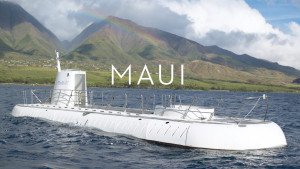
BKL continues to expand its expertise in shipboard noise control, with projects spanning commercial tourism and marine transportation. Doug Kennedy assesses noise controls aboard the Atlantis tourist submarine in Maui, while Dan Lyzun travels to Churchill for sea trials of a new tugboat.

2003

river rock casino 550x310

Located beneath a YVR flight path, River Rock Casino faces significant aircraft noise. BKL develops targeted acoustical measures to protect its theatre, atrium, buffet, and hotel spaces. The project demonstrates a practical approach to acoustical design: assessing where intervention is truly needed rather than applying unnecessary solutions.

2004

CalgaryCourtsKasian 300x165

BKL provides acoustical consulting for the Calgary Courts Centre, a 24-storey, million-square-foot complex with 56 courtrooms, administrative facilities, and secure holding areas. The project demands careful consideration of speech clarity, privacy, and sound isolation across a highly complex justice environment.

2005

BK2250 300x200

BKL begins investing in Brüel & Kjær Type 2250 sound analyzers, bringing greater speed and precision to field measurements. The new technology allows the team to pair sound levels with audio recordings throughout a measurement, making it easier to identify and confirm the source of noise events.

Mike Noble publishes an article in the Acoustical Society of America’s Echoes newsletter exploring the acoustical challenges created by emerging green building practices. He examines how natural ventilation, sustainable materials and radiant cooling can affect building acoustics—and what designers can do to address them.

As commercial acoustical software such as CadnaA, Odeon and EASE becomes more advanced, BKL begins transitioning away from its in-house software. The shift gives the team access to increasingly sophisticated tools for modelling, predicting, and visualizing how sound behaves in real-world environments.

2006

DSC 2699 700 7011 300x117

As CBC expands its downtown Vancouver facility, BKL helps manage construction noise while consulting on the design of new TV and radio studios. The team develops acoustical solutions for HVAC noise and studio treatment, balancing the demands of an active broadcast environment with the realities of ongoing construction.

2008

Vancouver Port Mann Bridge 2015 300x169

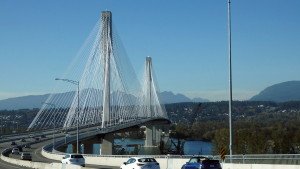
BKL provides comprehensive noise and vibration consulting for the $3.3-billion Port Mann/Highway 1 project, then Canada’s largest highway infrastructure project. The work spans construction impacts, traffic noise predictions, and noise wall design, helping assess and mitigate the effects of a major transportation corridor on surrounding communities.

2010

BKL invests $40,000 in a Soundbook eight-channel sound and vibration analyzer, strengthening the firm’s ability to capture and analyze multiple measurements simultaneously. The investment reflects BKL’s continued commitment to equipping its team with advanced tools for accurate, efficient field analysis.

2011

BKL provides acoustical design support for BC Hydro’s Mica Creek Generating Station Units 5 and 6, contributing noise and vibration expertise to one of British Columbia’s largest hydroelectric facilities, located deep in the Columbia River valley near Revelstoke.

2012

As awareness grows around the effects of environmental noise and vibration on wildlife, BKL evaluates impacts on birds, marine mammals and fish. Wildlife noise assessments become an increasingly important part of environmental assessment, broadening the firm’s understanding of how sound interacts with natural environments.

2013

BKL invests $100,000 in network-capable sound and vibration monitoring equipment to meet growing demand for continuous, remote monitoring. The new technology allows the team to track noise and vibration in sensitive locations, including major healthcare construction projects, with greater efficiency and precision.

2014

BKL provides comprehensive acoustical consulting for the new Teck Acute Care Centre at BC Children’s and BC Women’s hospitals, designing the acoustics throughout and monitoring construction noise and vibration in occupied spaces, using an automated alert system. The project brings BKL back to a site first served by Barron & Associates in the early 1980s, where the firm consulted on the design of Grace Hospital ahead of its relocation.

BKL begins a three-year contract to analyze and report on data from the Port of Vancouver’s 11 permanent noise monitoring terminals. The work supports ongoing understanding of environmental noise across one of Canada’s busiest and most complex working waterfronts.

2015

BKL acousticians Ping Chen and Gary Mak share their expertise with CBC’s The Nature of Things for “Sonic Magic: The Wonder and Science of Sound,” helping bring the science of acoustics to a national audience.

2016

BKL celebrates 50 years with a refreshed logo that nods to the firm’s original identity. The milestone marks five decades of acoustical consulting from its Vancouver roots, built through thousands of projects, lasting client relationships, and a continued commitment to the acoustical community.

BKL presents eight papers at the Canadian Acoustical Association conference in Vancouver, contributing to discussions on aviation noise, education design for 21st-century learning, wind energy assessment, road traffic noise modelling accuracy, heavy truck noise diagnostics, sustainability in acoustical engineering, and building envelope sound isolation prediction.

2017

Mark Bliss
Mark Bliss
Paul Marks
Paul Marks
Gary Mak
Gary Mak

BKL provides comprehensive noise and vibration consulting for the $3.3-billion Port Mann/Highway 1 project, then Canada’s largest highway infrastructure project. The work spans construction impacts, traffic noise predictions, and noise wall design, helping assess and mitigate the effects of a major transportation corridor on surrounding communities.

2018

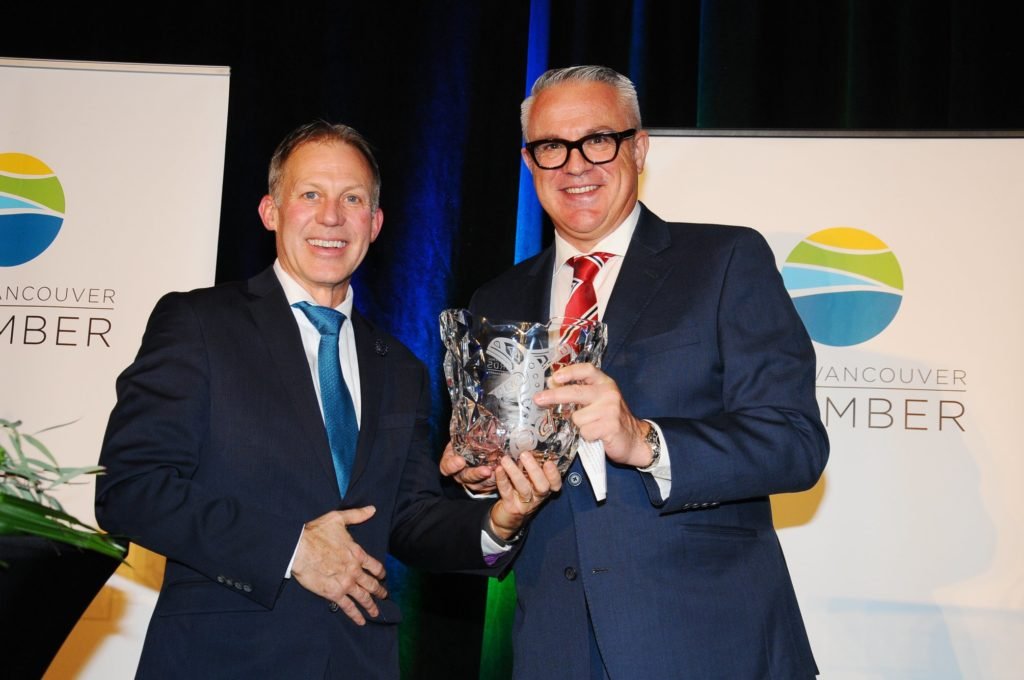
BKL received the Innovation Award at the North Vancouver Chamber’s 2018 Business Excellence Awards, recognizing its solution-focused approach to acoustical design. The award highlights BKL’s work on the Pacific Autism Family Centre, a specialized healthcare facility located near Vancouver International Airport.

2019

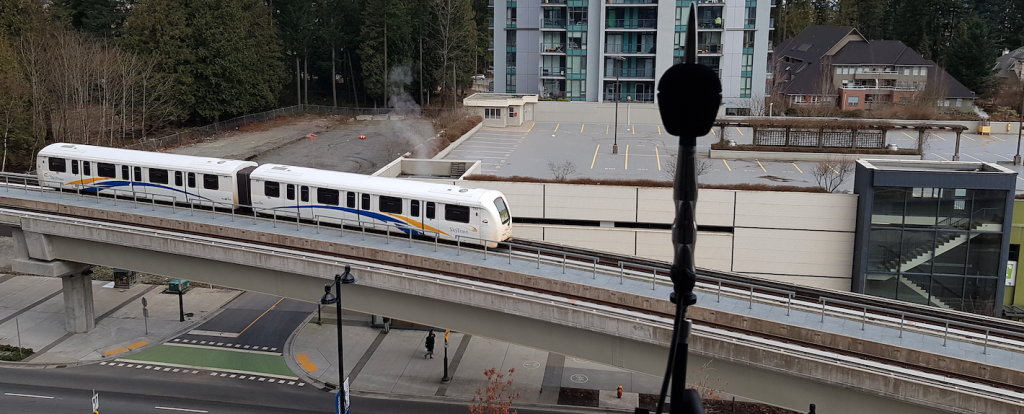
BKL begins work on the Broadway Subway Project, providing acoustical design for stations and tunnel ventilation systems, environmental noise and vibration assessment of SkyTrain operations, and construction vibration assessment, monitoring, and mitigation to manage damage risk to surrounding buildings and infrastructure.

2020

BKL moves to a larger, modern office at Gilmore SkyTrain Station in Burnaby, steps from the transit network it has helped shape since 1984. When COVID-19 sends staff home a week later, the firm adapts to hybrid work, doubles down on mentorship and check-ins, and continues to grow while other firms reduce hours and furlough staff.

2021

BKL mourns the passing of former principal Mike Noble, remembered by colleagues as the model acoustician. Mike’s thoughtfulness, technical mastery, and generosity left a lasting mark on the firm’s culture and on those who had the privilege of working alongside him.

2022

Katrina Scherebnyj, Brigette Martin, and Trevor Cheng become BKL shareholders, broadening the firm’s leadership and deepening the ownership team’s technical expertise across building acoustics, environmental noise and vibration, and project delivery. The move reinforces BKL’s commitment to employee ownership and long-term succession planning.

BKL co-founder Ken Barron passes away at age 89. Through his design work, entrepreneurial vision, and technical innovations, Ken was a pioneer of Canadian acoustics. Alongside Bob Strachan, he launched Canada’s first independent acoustical consultancy in 1966 from a spare room at their accountant’s office.

2023

Doug Kennedy retires after 52 years in acoustical consulting, the last of BKL’s original-era principals to step back. From measuring Concorde noise in Gander to steering the firm into the 21st century, Doug’s leadership, integrity, and quiet dedication shaped the company and the careers of those he mentored.

With input from BKL, Metro Vancouver publishes its Construction Noise and Vibration Guide, establishing a standardized method for managing noise and vibration during construction projects across the region. The guide helps project teams, municipalities, engineers, and contractors apply consistent practices to protect surrounding communities.

BKL provides acoustical design for the New Surrey Hospital and BC Cancer Centre, a $2.88-billion design-build megaproject. The project represents one of the largest healthcare investments in British Columbia’s history and one of BKL’s most significant healthcare engagements to date.

2024

BKL receives an Architect’s Newspaper 2024 Best of Practice Award in the category of Acoustical Consultant and Engineer. This recognition highlights BKL’s commitment to excellence in acoustics, noise, and vibration consulting and reflects the impact of the firm’s work within the architecture, engineering, and construction (AEC) community.

BKL contributes acoustical consulting to the Surrey Langley SkyTrain project, continuing a transit noise and vibration legacy that began with Vancouver’s original Expo Line in 1984. Four decades of SkyTrain work, also including the Millennium, Canada, Evergreen, and Broadway lines, reflects the firm’s deep roots in transportation acoustics.

BKL provides noise and vibration design for the new Fraser River Tunnel Crossing, an $8.5-billion, eight-lane immersed tube tunnel replacing the George Massey Tunnel on Highway 99. The project includes dedicated bus rapid transit lanes and separated cycling and pedestrian pathways, with operations expected in 2031.

2025

Sarah Rasheed joins BKL as Operations Manager, the firm’s first dedicated operations hire. The role brings structured support to business development, internal processes, and team coordination, marking a deliberate investment in the systems and people needed to support BKL’s continued growth.

2026

BKL receives the ACEC-BC Award of Merit in the Small Firm Projects category at the 2026 Awards for Engineering Excellence. The award recognizes outstanding project delivery by privately owned consulting engineering firms with fewer than 100 employees across British Columbia.

2026

BKL celebrates its 60th anniversary, reflecting on six decades of innovation, trusted relationships, and a commitment to making acoustics part of every space where people live, work, and play. With over 250 years of collective experience and 10,000 completed projects, the firm looks ahead to its next chapter.

Professional Organization Memberships

  • BC Engineers logo
    Engineers and Geoscientists British Columbia
  • ince logo
    Institute of Noise Control Engineering (INCE)
  • ACEC logo En
    Association of Consulting Engineering Companies (ACEC)
  • CAA Logo 300x164
    Canadian Acoustical Association (CAA)
  • logo ashrae
    American Society of Heating, Refrigerating and Air Conditioning Engineers (ASHRAE)
  • AES Logo R
    Audio Engineering Society (AES)
  • PMI Symbol 500x281
    Project Management Institute (PMI)
  • ioa logo
    Institute of Acoustics (IOA)
  • ASA
    Acoustical Society of America (ASA)
  • ACECBC Logo Divi 02
    Association of Consulting Engineering Companies – British Columbia (ACEC-BC)
  • genericseal2
    International Well Building Institute (WELL)

Awards

  • AN award

    The Architect's Newspaper 2024 Best of Practice Awards: Acoustical Consultant Engineer

    The AN Best of Practice Awards “commend the overall operations and structures of companies within the AEC community” based on a review by a jury of expert and professionals, who “guided their reviews based on aesthetic excellence, social impact, and internal culture at the company.”

  • Innovation Winner Web Badge 1

    2018 North Vancouver Chamber Business Excellence Awards: Innovation Award

    2018 North Vancouver Chamber Business Excellence Awards: Innovation Award. This award recognizes the company’s development and growth through the creation or use of unique methods and services, demonstrated by a high degree of originality, creativity, and experimentation.

  • 2026 ACEC-BC Awards for Engineering Excellence: Award of Merit in Small Firm Projects

    The Awards for Engineering Excellence celebrate the consulting engineering profession, the ACEC-BC membership, and communities and professionals across BC.

    The Small Firm Projects category recognizes outstanding projects delivered by privately owned companies with fewer than 100 employees, as defined by the ACEC-BC Small Firms Council.

Corporate Social Responsibility

Sustainability

We believe responsible business means considering the environmental, social, and economic impacts of the choices we make. At BKL, sustainability shows up in day-to-day decisions—from reducing waste and energy use to minimizing unnecessary travel and choosing lower-impact products. It’s a shared responsibility across our team, helping us create lasting value for our clients, communities and environment.

We emphasize equity and inclusion, and our diverse team’s backgrounds and perspectives have shaped how we work. We follow our Equity, Diversity, and Inclusion policy and contribute to the community by supporting organizations like the Indian Residential School Survivors Society, BC Children’s Hospital, and the Canadian Deaf Sports Association. Our commitment to social and environmental values supports our mission to create a better-sounding world.

Ready to learn more? Get in touch today.