




Residential & Mixed Use
3030 Gordon Project
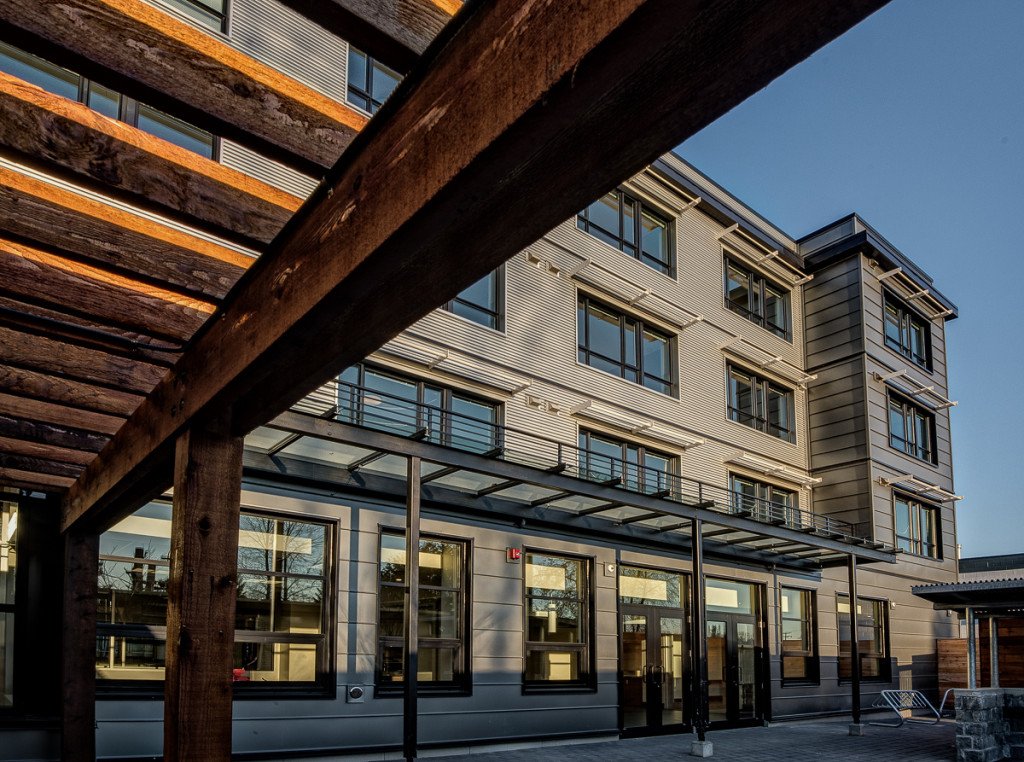
Operated by RainCity Housing, the 3030 Gordon Project is a shelter and transitional housing facility serving the cities of Coquitlam, Port Coquitlam and Port Moody. The shelter features 30 private rooms (20 for men, 10 for women), 30 self-contained transitional housing suites and 30 emergency beds for inclement weather. The project architect, dys architecture, hired BKL to provide acoustical consultation during the design of the shelter. The project offered a significant noise-related challenge: 3030 Gordon is located only a few metres from a railway line that sees as many as 40 trains roll through every day. After conducting on-site audio and video measurements and performing 3-D computer predictions, BKL began work on a thorough and creative a plan to ensure that shelter goers would enjoy a good night's sleep, despite rail passerby noise levels of up to 90 dBA. For most projects, measuring sound levels is all that's needed. But for 3030 Gordon, the variety of train-related noise and vibration meant that BKL needed to record both sound and vibration, and audio and video, over a 24-hour period to distinguish between various types of rail activities- including whistles, pass bys from both passenger and freight trains, and impact noise from railcars shunting and coupling. BKL accomplished this task using microphone, accelerometer and USB webcams connected to one device: its 8-channel Sound book sound and vibration analyzer. The three keys to mitigating the potential noise and vibration impacts from the trains were BKL recommended an 8-foot high sound wall, a 6-inch block layer between the frame and exterior cladding and acoustical windows that feature additional air space between layers and extra-thick glass. "BKL solved the significant acoustic issues confronting this site" says Richard Stout, Principal at dys architecture. “The future residents face many challenges and need to have a calm, quiet place to rebuild their lives. The site, with its poor soils and the adjacent railway running trains almost continuously day and night, offered many barriers to creating the type of environment we needed. BKL's recommendations of concrete fencing. masonry walls and acoustic windows solved the problems completely, to the extent that trains are not heard from within the building unless the windows are opened. Further, our concern about vibration is also a non-issue due to the piling option we selected with BKL's input.” Have a project in mind? Get in touch today.