

Skip to content

Project Experience

Industrial & Energy, Transportation

Environmental Assessments


About These Projects

The environmental noise and vibration impact from major transportation, power generation and industrial projects has become an increasingly important societal issue. Potential effects include annoyance, sleep disturbance, interference with speech communication, noise-induced rattling and wildlife habitat loss. BKL has extensive experience in preparing the noise component of Environmental Assessments (EA’s) for all levels of government: provincial to BC Environmental Assessment Act (BCEAA), federal to Canadian Environmental Assessment Act (CEAA) and international (e.g. World Bank).

Common Acoustical Challenges:

  • Construction and operations noise predictions
  • Baseline noise monitoring
  • Wildlife and underwater noise
  • Effects on communities and traditional land uses
  • Provincial, federal and international requirements
  • Public consultation

Greater Vancouver LRT Systems

BC

CEAA level environmental noise and vibration assessments for the SkyTrain Evergreen Line (2010), Evergreen LRT Line (2006), Canada Line (2003), Port Moody Coquitlam Line (2000) and SkyTrain Millennium Line (1996). Assessment of impacts from the construction and operation of these light rapid transit systems proposed for Greater Vancouver included detailed baseline and post-construction monitoring, noise modelling and public consultation.

Deltaport Container Terminal Projects

Delta, BC

BKL participated in EA’s of the original container terminal on Roberts Bank, the 3rd Berth (to CEAA) and the Deltaport Terminal Road & Rail Improvements Project (DTRRIP) (to BCEAA). Included extensive noise and vibration monitoring, construction and operation effects assessment, public consultation and report preparation.

Wildmare Wind Energy Project

Chetwynd, BC

Environmental noise assessment for BCEAA permit application including baseline noise monitoring, historical weather statistics analysis and turbine noise predictions to ISO and Harmonoise standards.

Bathurst Inlet Port & Road Project

Nunavut

EA technical report preparation including assessment of airborne and underwater noise during construction and operations activities (e.g. blasting, pile driving, aircraft, vessels, port, trucking) for Inuit, camp worker and wildlife receptors, according to recognized standards (e.g. ISO 9613, NMPB, ANSI S12.17, ICAN/AzB 2008).

Jansen Potash Mine

Saskatchewan

Prepared technical report and EA chapter to Alberta’s Directive 38 guideline, including modelling of construction and operations noise sources, specialized assessments for wildlife species and noise mitigation design.

Highway 10 / Mufford Project

Langley, BC

CEAA level EA addressing potential construction and operations noise impacts from the proposed overpass project. Included baseline monitoring, Cadna/A modelling and noise barrier design assessment.

Agua Rica Mine

Argentina

Prepared the noise component of an EA on a new open pit copper/gold/molybdenum mine in northwest Argentina. Included Cadna/A noise modelling of mine site operations, blasting, process plant site, waste rock and tailings facility, filter plant, port facility, airstrip and options for access routes. Meteorological effects on noise were assessed.

Murphy Creek & Keenleyside Hydro-Electric Projects

BC

Prediction of noise impact on residential communities due to drilling, blasting and earth moving required for major BC Hydro developments on the Columbia River.

CFB Cold Lake, Air Weapons Ranges

Alberta

Noise prediction and impact assessment associated with low level military flying and sonic booms throughout a large military training area for Department of National Defence (DND).

Featured Case Study

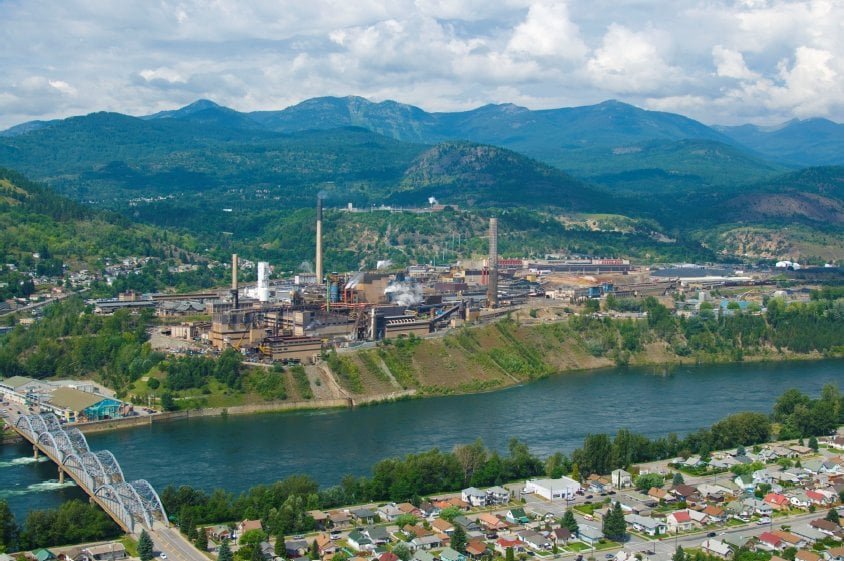
Teck Trail Occupational Noise Survey

Teck Trail Occupational Noise Survey

The Occupational Noise Survey at Teck Metals Ltd.'s Trail Operations facility was undertaken to update and reassess workplace noise conditions across the plant. Previous measurements conducted in 2011 had identified high-risk zones where workers are required to wear double hearing protection as part of standard safety practices. As part of its ongoing occupational health and safety initiatives, Teck sought a clearer understanding of current noise conditions throughout the facility, along with opportunities to reduce worker noise exposure through engineering controls where practical. BKL was engaged to conduct an occupational noise survey at the Trail Operations site, with the objective of developing updated noise maps for the identified high-risk areas and reviewing potential noise mitigation options. Measurements and assessments were carried out in accordance with CSA Z107.56-13, Measurement of Noise Exposure, a standard referenced in WorkSafeBC guidance for occupational noise assessments. Our work focused on collecting reliable field data and translating it into practical insights that could support noise management and mitigation efforts within the facility. Key components of the scope included: The noise survey provided Teck with an updated understanding of noise conditions across key operational areas at the Trail Operations facility. Key outcomes of the project include: Through this work, we provided the data and analysis needed to better understand the workplace noise conditions and support ongoing efforts to manage occupational noise and protect worker hearing health. Learn more our projects here. Have a project in mind? Get in touch today.