


Transportation
Evergreen Line Skytrain Extension
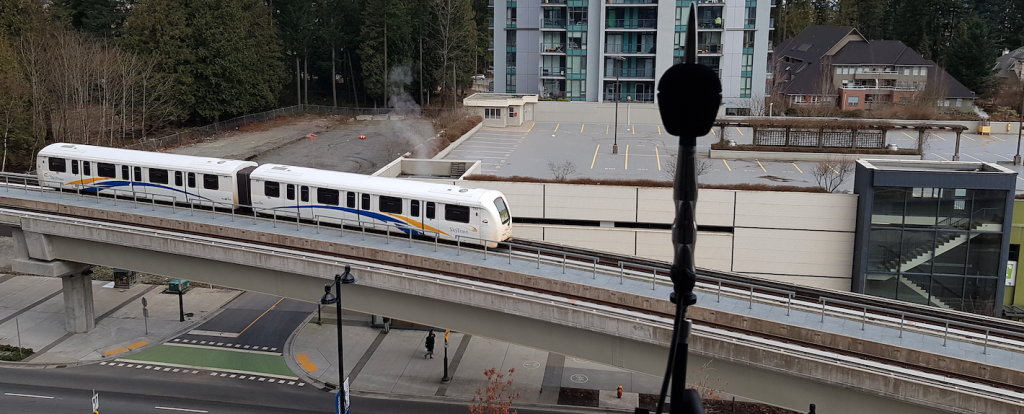
Stretching from Coquitlam to Burnaby, the Evergreen Line opened in December 2016. It's the latest extension to Metro Vancouver's SkyTrain system, the longest fully-automated, driverless rapid-transit system in the world. The Evergreen Line includes seven stations and 11 kilometres of track—with underground, ground level, and raised sections. The extension connects to the existing Millennium Line, so residents of Coquitlam, Port Coquitlam, and Port Moody can travel to downtown Vancouver without having to transfer. This easy connection, combined with the frequency of the trains—running every three minutes during peak hours—makes Evergreen a fast and convenient public transit option, something planners hope will take as many as 40,000 cars off the road by 2021. BKL joined the project in 2008, and the firm's first task was to establish baseline noise and vibration levels along the alignment and conduct a noise and vibration impact assessment as part of the project's application for an environmental assessment certificate. BKL designed a thorough baseline monitoring program that included 48-hour community noise monitoring at 22 locations along the alignment and short-term vibration monitoring at another five locations. BKL also performed detailed measurements of SkyTrain noise and vibration along the operational Millennium Line to define source-specific factors such as guideway structure reflection and shielding effects and guideway noise barrier performance at different heights. BKL's next step was developing a comprehensive noise and vibration prediction model for the project. Using preliminary design information, road and rail traffic forecasts, proposed construction methods, and data gathered during the baseline and SkyTrain monitoring programs, BKL built a 3-D computer model to develop noise maps at the first two rows of housing along the entire 11 kilometre extension, an area that includes 1,044 dwellings. BKL developed noise maps along the 11 kilometre extension—including 1,044 dwellings. The model applied best practice standards to predict how noise levels would change during the construction and operations phases. It also showed which residences would likely be affected by construction noise and/or operational noise from the trains and stations. Additionally, BKL developed a vibration-prediction model covering more than 600 buildings. This model mapped areas where construction activities (e.g., tunnel boring) and SkyTrain traffic had the potential to create significant impacts. With the possible noise and vibration trouble-spots identified, BKL worked closely with the BC Ministry of Transportation and Infrastructure and its private sector partners to develop requirements for cost-effective SkyTrain-specific mitigation options, and modelled each option to show its benefits and limitations. BKL participated in extensive open-house consultation and, throughout the duration of the environmental assessment, responded to inquiries from reviewing agencies and the public. BKL's report was prepared to Canadian Environmental Assessment Act (CEAA) standards. BKL also developed acoustical performance specifications for the trains, stations, and ancillary equipment to improve comfort and communication for the passengers while avoiding creating additional community noise impacts. During construction, BKL provided advice on an as-needed basis to mitigate construction noise impacts. Once construction was complete, BKL carried out a post-construction monitoring program to check operational noise and vibration levels. It included 72-hour noise monitoring at 30 locations in the community and short-term vibration monitoring at another eight locations. BKL compared these noise levels against thresholds defined in the project's environmental assessment certificate table of commitments. BKL's contributions to the project were recognized by R. Scott Hanna, who was Senior Environment Manager for the project's environmental assessment. Hanna said the following: "During the planning stage of the Evergreen Line Rapid Transit Project, BKL was instrumental in determining ambient noise conditions along the proposed alignment, assessing potential noise and vibration impacts of the project and developing workable and cost-effective mitigation measures, as part of the environmental impact assessment (EIA). Their work was completed to a high professional standard, and was delivered on time and within budget." Have a project in mind? Get in touch today.