

Skip to content

Project Experience

Industrial & Energy

Mines


About These Projects

The environmental noise impact from new and existing mining operations has become an increasingly important societal issue. Noise from the 24/365 operation of these mines can on occasion be heard at distances of several kilometres, and can have an adverse impact on nearby residences, campgrounds, traditional uses and wildlife. BKL has experience in dealing with these issues, mainly through Environmental Assessments (EA’s) but also with assessing existing noise impacts and noise mitigation options.

Common Acoustical Challenges:

  • 24/7 operations heard kilometres away
  • Effects on homes, campgrounds and traditional uses
  • Wildlife exposure to noise
  • Blasting and haul road traffic
  • Responding to community complaints
  • Environmental assessments and hearings

Jansen Potash Mine

Saskatchewan

Prepared the noise component of an EA on a new potash mine subject to provincial review. Cadna/A noise modelling of construction and operations (mainly stacks) noise sources was performed, including road traffic noise created by heavy trucks bringing supplies and commuter vehicles. The potential effect of various noise mitigation options was also modelled.

Pueblo Viejo Mine Noise & Vibration Training

Dominican Republic

Multiple field visits were performed to train local environmental team workers to carry out the project’s construction noise and vibration monitoring program in surrounding villages using classroom and field instruction. BKL also performed QA on subsequent monitoring reports.

Agua Rica Mine

Argentina

Prepared the noise component of an EA on a new Northern Orion open pit copper/gold/ molybdenum mine in northwest Argentina. Included extensive noise modelling in Cadna/A of mine site operations, blasting, process plant site, waste rock and tailings facility, filter plant, port facility, airstrip, 2 options for the mine site access route and 2 options for the process plant access route.

Galore Creek Mine

BC

Modelled hundreds of noise sources using Cadna/A including haul trucks, heavy mine site equipment, processing plant, helicopters, airplanes, mine site blasting, howitzers (avalanche control) and construction equipment for proposed NovaGold copper and precious metals open pit mine. Meteorological settings were defined based on site measurements. Daytime, nighttime and maximum noise contours were produced. Results were exported to be used in client’s GIS system for wildlife noise impact evaluation for BCEAA.

Cheviot Mine

Cadomin, Alberta

Preparation of the noise component of an EA on a new CRC open pit coal mine including mining noise and road and rail transportation noise. Participation in hearings on the mine. Later assessed impact of a 20 km private haul road and participated in hearings on the permit approval.

Diavik Diamond Mine

Northwest Territories

Prediction and assessment of noise from a new Rio Tinto open pit diamond mine. Scope of work included open pit mining including blasting, processing operations, noise from trucks on haul road, computation of Noise Exposure Forecast (NEF) contours for airstrip and assessment of potential noise impacts on workers and other stakeholders in the region. BKL also supported the wildlife consultant by predicting levels of exposure of wildlife to project noise.

Stave Lake Quarry

Mission, BC

We were retained by the BC Ministry of Energy, Mines and Natural Gas to assess the validity of resident complaints about ongoing quarry noise using current best practice. Community noise measurements were performed and a Cadna/A noise model was developed to predict quarry noise throughout the community. Quarry noise was rated using Alberta ERCB, ANSI and World Health Organization guidelines and noise mitigation options were provided.

Featured Case Study

Jansen Potash Mine

Jansen Potash Mine

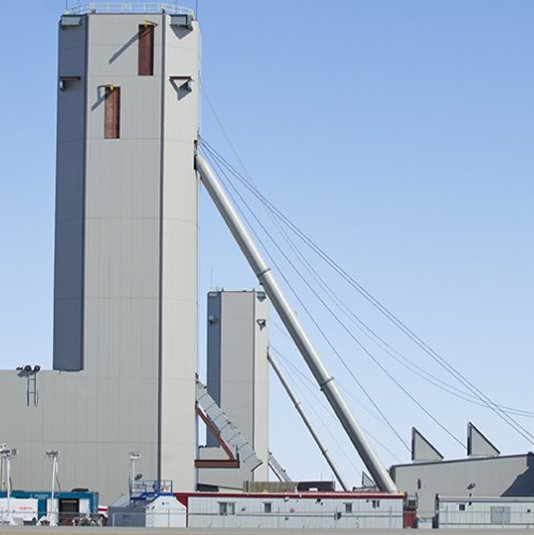
Near the shores of Jansen Lake, in a rural area 140 kilometres east of Saskatoon, a colossal underground potash mine is set to begin production in 2026. Known as the Jansen Project, the mine is owned by BHP and, when operational, will be the world's largest potash mine, extracting from deposits almost 1 kilometre below the earth's surface. From 2010 to 2023, we supported the project's environmental assessment process, providing noise prediction, impact assessment, and potential mitigation review services. This involved addressing both construction and operations noise levels for people living nearby, and identifying where noise mitigation would be necessary according to provincial guidelines. In 2010, we built a 3-D computer model and used it to analyze a worst-case construction scenario and two operational noise scenarios. The model predictions revealed that some nearby residences, in both operations scenarios, would experience noise levels above those outlined in the criteria. Construction noise, however, did not exceed thresholds in the model. We contributed to the project over the next 10 years, updating our model to account for changes to the mine's operations plan. These updates included revising sound emission inputs for project noise sources (stacks, fans, mobile equipment, etc.) and analyzing more potential operations scenarios for BHP through the project's lead consultant, ERM. In addition, we highlighted which residences experienced criteria-exceeding noise levels in the model. Further updates to the model included new rail alignments, along with predictions about how train noise could affect nearby residents. These updates incorporated information about expected train size, speed, and frequency from the Jansen Project's latest operations plan. With every change, we calculated sound contours to make it easy to visualize how these changes would affect people living in the area. Notably, we assessed the potential for sleep disturbance from train noise. The predictions showed that, while the noise levels at some receivers would increase, no new receivers would experience criteria-exceeding noise. Our study also showed that one receiver that was over the threshold in the previous scenarios, would now fall under the threshold based on the realignment. In regard to nighttime train noise, the model showed that sleep disturbance due to rail noise would be unlikely. Later updates for new operations stages and revised specs for noise sources and mitigation showed that project noise at receivers decreased from the 2010 iteration of the project. We noted the uncertainty of noise predictions for different types of sources. By accurately assessing noise levels for the project's construction and operations phases, and updating our acoustical model as the project design progressed, we supported this ambitious mining project, which, once operational, will have a lifespan of approximately 70 years. We added our expertise to the project, and helped the project owner gain a clearer picture of how much noise the project will create, how that noise could affect people living in the area, and what feasible options were available to manage noise levels. With these insights, the owner was able to prepare a management plan and mitigation to minimize the potential impacts of project-related noise. Photo by BHP Have a project in mind? Get in touch today.